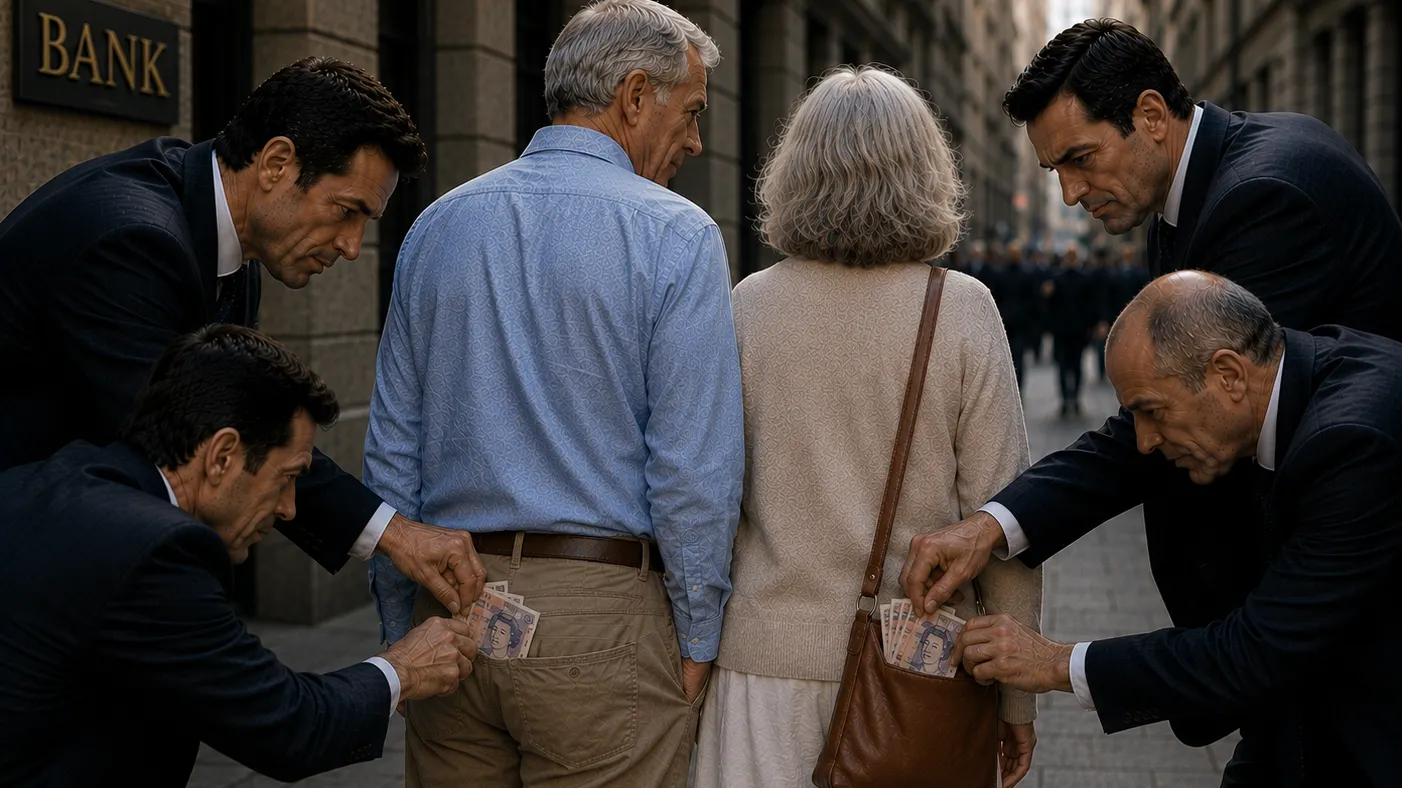
Timeshare exchange networks were designed to give resort members the option to swap their week for other high-quality destinations. In practice, COVID-19 disruption and the war in Ukraine have exposed ongoing timeshare exchange problems—especially around costs, complexity and limited availability.
The idea in a nutshell
Timeshare owners originally bought into what were marketed as exclusive resorts. They paid a premium for accommodation that was meant to be higher quality than a standard package holiday, but many did not want to return to the same resort every year. That is where the concept of “exchanging” came from.
Exchange systems let owners swap their unit for an equivalent standard in another destination and/or timeslot. The three major exchange networks are Resort Condominiums International (RCI), Interval International (II) and 7 Across (formerly Dial an Exchange). The largest, RCI, promotes destinations in 110 countries.
On paper, it sounds ideal: lots of choice and a consistent standard. So why are so many owners reporting timeshare exchange system failures?
It’s expensive
Exchanging comes with extra charges. On top of annual maintenance fees (often already comparable to the cost of a standard holiday), there is an additional annual fee to remain a member of the exchange system—even if you do not use it. Currently this is around £76 per year.
It then costs a further £191 to make an exchange. The fee for banking a week (saving it for another time) is £52. There is also a £68 fee to let someone else use your timeshare if you are not using it.
The result is that anything beyond what your original membership guarantees can become expensive very quickly. A non-timeshare holidaymaker simply pays for the trip they book. If a week costs £700 in destination A or destination B, they pay £700 either way—there are no separate exchange charges outside the timeshare model.
It’s complicated
For non-timeshare travellers, booking is usually simple: pick a hotel and dates, then pay.
For timeshare owners, the process often involves strict rules and deadlines:
- There are rigid deadlines for booking, exchanging, and paying maintenance. Get something wrong and you can lose the holiday altogether (while still paying for it).
- Ownerships commonly come with fixed check-in days. If it is a Monday changeover, for example, that is the day you must arrive—whether it suits you or not.
- Owners are typically required to book in week-long blocks. Non-members can usually choose shorter or longer stays using standard booking tools.
- Even if you follow the rules, you may still miss out. Some points owners with a 12-month booking window report having to call at 9:00am on the day the window opens for their preferred week and still not securing it.
Availability is often limited
As with any holiday market, the most popular destinations and dates go first. In the RCI system, there are around 4,300 resorts to choose from. If the resorts in your chosen destination are fully booked for the period you want, you cannot exchange into that area.
A non-owner generally has more flexibility. They can book a timeshare resort if they want, but they can also book accommodation outside the timeshare system without paying additional exchange fees.
The timeshare owner has already paid for their holiday through maintenance and membership. If their preferred exchange destination has no availability, they may have to pay for an entirely separate holiday elsewhere—while still paying the annual fees for the timeshare.
Timeshare resorts are also no longer “exclusive” in the way they were sold. Many rent out weeks to non-members for around the same price members pay in maintenance. As well as being deeply unfair to people who paid tens of thousands of pounds to join, it can reduce what is available for members trying to exchange.
As a result, many members cannot secure their first choice of holiday—or even their second or third choice—in normal years.
War in Ukraine and pressure on “safe” destinations
Ukraine and Russia are not typical timeshare exchange destinations. However, the Russian invasion of Ukraine is expected to affect travel choices across Central and Eastern Europe, with some owners seeking exchanges further from the conflict zone.
Travel disruption can also have wider knock-on effects. Airspace over Russia and Ukraine has been off limits to commercial travel, and flight routes can change as safety requirements evolve. The shooting down of Malaysian Airlines flight MH17 in 2014 by Russian-backed rebels in Ukraine happened in what was then a comparatively calmer period. Understandably, many travellers will avoid routes and destinations perceived to be close to active conflict.
That can push demand into “safer” destinations such as Spain and Portugal. With a fixed amount of exchange inventory, more owners are likely to face RCI exchange availability issues and similar limitations across other networks.
Weeks banked during COVID
Many industry experts believe 2022 could be the “perfect storm” that breaks exchange networks beyond repair. CEO of European Consumer Claims, Andrew Cooper explains: "In that first pandemic summer of 2020, members assumed that their maintenance wouldn't be charged because they couldn't take their holiday. With resorts standing empty all summer, running costs would be reduced to a trickle and people thought that the savings would be passed to them. Instead the resorts chose to charge in full and make record profits. The only consolation offered was the option of members banking their weeks to use the following year.
"Those of us who understand the timeshare model knew that this could never work. In 2021, around double the amount of holidays would be owed to members. Where would the extra inventory come from to provide that accommodation?
"Then 2021 arrived and travel still wasn't back to normal, meaning weeks needed to be banked yet again. Now in 2022 an impossible amount of holidays are due. Resorts have promised something they simply can't honour.
"These are just weeks banked with resorts. What about the families who deposited their weeks for an exchange they couldn't take for one of the above reasons? Maybe their deposited week was already used, but now RCI owes those families weeks which there isn't enough inventory to honour.
"Add to that the extra pressure from the war and this summer is going to deliver disappointment to people relying on their timeshare memberships for holidays. This is likely to affect the foreseeable future."
Exodus
With rising costs and ongoing uncertainty, many timeshare owners are looking for ways to leave. "The idea of timeshare is dated," explains Cooper. "The resorts are all available on regular booking sites to non members. And nobody wants to be committed to annual fees for something they often can't use. People would rather go where they want, and when they want. They would rather pay exactly for what they use."
However, getting out of a timeshare contract is not straightforward. "Because new member sales have flatlined, the resorts rely on annual fees from members. They don't let people leave without a fight. Timeshare companies have even been known to enforce those fees with UK debt collectors like Daniels Silverman. If you just walk away from the debt you could end up with CCJs and enforcement actions taken against you.
"It is possible to escape with expert help from companies like ECC. And for those lucky enough to fit certain qualifications (the majority of Spanish timeshare companies operated illegally for decades) there is the possibility of not only freedom from the timeshare, but a significant compensation payment as well."
For advice on how to exit a timeshare contract, or to find out whether you qualify for compensation, get in touch with our team at Timeshare Advice Centre.