Timeshare revenues plummet as finance houses turn their backs
Industry in crisis
Many timeshare companies ignored protective consumer law introduced in Spain in 1999. For the next 16 years, resorts largely carried on as normal, effectively relying on complex Spanish bureaucracy and slow enforcement to limit the consequences.
Across that period, tens—possibly hundreds—of thousands of illegal contracts were sold, with timeshare owners losing significant sums before the law began to bite in 2015. In January 2015, the Spanish Supreme Court ordered Canary Islands timeshare giant Anfi" href="https://ecc-eu.com/tag/anfi">Anfi del Mar to pay €40,000 compensation to Norwegian former member Tove Grimsbo.

The floodgates then opened. Over the past decade, judges have ordered timeshare companies to pay hundreds of millions of pounds to people who were mis-sold memberships.
The financial fallout has helped explain why timeshare sales in Spain collapsed: new member sales have slowed to a trickle, and several former industry heavyweights have been pushed into administration or liquidation—part of a wider trend of European timeshare companies going into administration.
Finance companies
Alongside taking money directly from holidaymakers approached on the promenades of the Spanish Costas and islands, some timeshare operators boosted revenue through deals with loan companies such as Shawbrook and Barclays Partner Finance.
On-site, “instant” access to credit meant sales teams could target not only a customer’s savings, but also funds the buyer did not currently have—an important part of the story of why finance companies stopped funding timeshares.
In practical terms, this allowed some sales processes to empty bank accounts and saddle buyers with life-changing debt.
In many cases, the same salesperson who sold the membership also handled the loan application. Numerous members have said the salesperson “massaged” the details to help ensure approval.
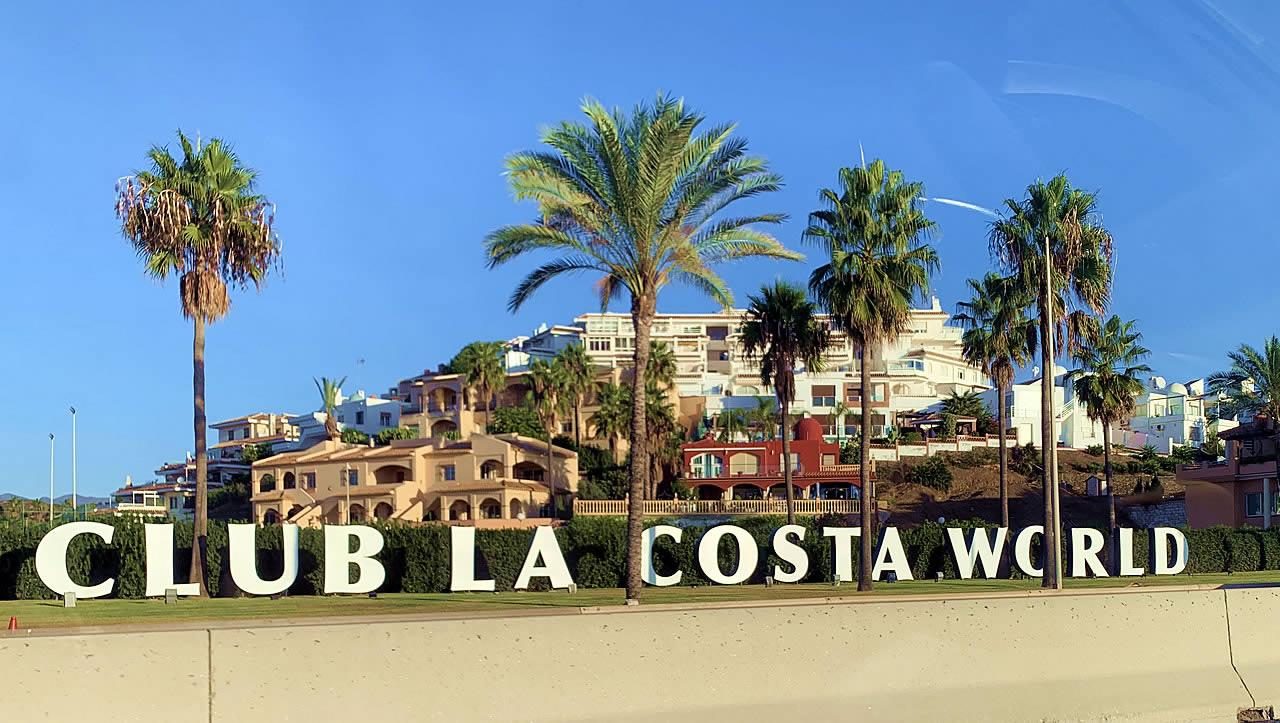
The presence of a well-known brand name—such as “Barclays”—linked to the operation could reassure prospects that even businesses accused of large-scale mis-selling, such as Club La Costa" href="https://ecc-eu.com/tag/club-la-costa/">Club la Costa, were legitimate.
This has led to questions about whether it was ever appropriate for mainstream lenders to support an industry with such a long-standing and damaging reputation—particularly as consumer law claims against timeshare lenders have grown.
Barclays Partner Finance/Azure – the turning point
In 2021, timeshare lawyer Adriana Stoyanova won a landmark case against Barclays Partner Finance (BPF), resulting in the lender repaying £48 million to Azure victims. The outcome has become widely referenced in discussions around Barclays Partner Finance timeshare loans and the Azure timeshare Barclays Partner Finance case.
The ruling followed allegations against the Maltese timeshare business, including pressure selling, affordability checks being bypassed, memberships being pitched illegally as investments, and loans being processed by timeshare sales staff who were not correctly licensed.
Less than a year later, a further £181 million was set aside by BPF for potential claims as the scale of alleged misconduct became clearer. For many observers, it marked a defining moment in the wider Shawbrook timeshare loan controversy and broader scrutiny of lender involvement.
In the three years since, finance providers have steadily withdrawn from relationships with European timeshare companies.
At the time of writing, to the best of our knowledge, no lending institutions are still underwriting timeshare sales in Europe.
None.
Why not? Expert opinion
Greg Wilson, CEO of European Consumer Claims (ECC), says the sector has become too toxic for lenders to risk reputational harm by staying involved—particularly against the backdrop of the Spanish Supreme Court timeshare law 1999 and ongoing cases concerning illegal timeshare contracts Spain compensation.
“Finance companies and lending institutions are under the same pressure to maximise revenue as any other business,” says Wilson. “Their previous collaborations have been extremely profitable for both sides. Companies throughout the European timeshare market scrambled to form alliances with finance providers, and many such partnerships existed.
“The types of loans provided were unsecured, because timeshare memberships have little or no resale value from the moment contracts are signed. That meant interest rates had to be extremely high to justify the risk for underwriters, and the purchaser often ended up paying double the original price over ten years or more.
“For example, someone sold a timeshare for £20,000 can end up repaying £40,000 over the life of the loan. The timeshare itself is generally worthless and can’t be resold. In fact, to escape their contract (and the ongoing annual fees), most people need expert help.
“For finance companies to walk away from that revenue stream, the reasons would have to be compelling—and the reputational risk appears to have outweighed the substantial profits available.”