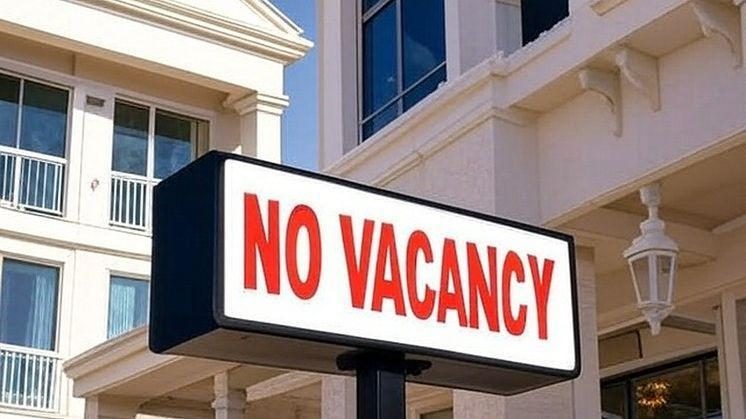
It’s that time of year. The festivities are over, and you’ve probably already paid your 2026 maintenance fee. The real question is: will you be able to book the summer holiday you actually want in return?
So-called ‘improvements’ to timeshare membership
Timeshare membership used to be simple. You bought the week you wanted, then returned to the same apartment at the same time each year. You paid an annual fee to maintain and staff the resort, and it was often far cheaper than renting an equivalent unit through mainstream booking channels.
Resort operators later decided this wasn’t flexible enough for modern travellers, and introduced ever more ‘upgraded’ schemes that promised greater choice and convenience.
Exchange systems, floating time and points were sold as ways for members to choose their preferred destinations and dates. In practice, this created overwhelming demand for peak-season weeks in the most popular locations. Many members then ended up with what was left: lower-demand dates, less desirable resorts, or a compromise they didn’t really want—otherwise they paid for an additional holiday outside the timeshare system.

To ‘solve’ the availability crunch, members were then sold further upgrades, including extended booking windows of one or even two years. The obvious downside is that many people can’t realistically plan holidays two years in advance. And those who can—and who follow the rules—report phoning the booking line one minute past 9:00am on the day it opens, only to be told they’re already too late.
When “members-only” stops being exclusive
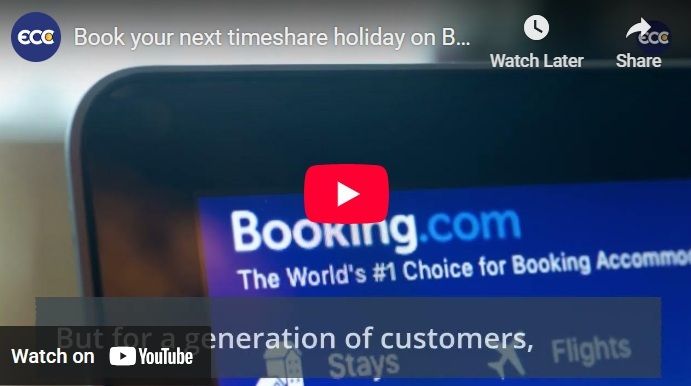
With new-member timeshare sales practically extinguished in Europe, many resorts sought other revenue streams. One approach has been to rent accommodation to non-members through sites such as Booking.com.
Owners regularly report finding rooms available online when there is nothing to book through their points or floating weeks. The usual reason is simple: member allocation can be smaller than the inventory released to the open rental market.
For owners who paid a premium for the promise of a members’ club, this feels fundamentally unfair.
Which raises the question: what have members actually paid for?
Timeshare availability poll: what owners say
Leading authority on the subject Timeshare Advice Centre ran a poll for owners to record satisfaction with booking their preferred holidays through points systems or floating weeks.
The six options ranged from “I always find availability” to “I’ve given up trying to request availability”.

Poll results: the final tallies
The results were as follows:
- I always find availability: 0.48%
- I sometimes find availability: 2.12%
- I rarely find availability: 61.10%
- I never find availability: 30.56%
- I’ve given up trying to request availability: 5.74%
91.66% reported that they rarely or never get the availability they want. A further 5.74% said they’ve given up trying to make the system work at all.
Just 0.48%—less than one in 200—said they always get the holidays they want, in the way the product was sold to them.
These figures raise an uncomfortable question: what benefit does timeshare membership still offer in 2025? In many cases, annual costs have risen to match—or even exceed—the price of booking the same resort through standard travel sites.
Summer 2025: why availability matters most in peak season
One moment we’re enjoying Christmas and New Year, and the next it’s done—leaving months of dark mornings and miserable weather to get through.
That’s why holiday adverts flood our screens from 2 January. Travel brands know we’re ready to plan the next break, and our thoughts turn to sunshine, beaches and blue skies. (If that’s not your ideal holiday, substitute your own escape here.)
For non-timeshare travellers, the options are vast. With an estimated 187,000 hotels and up to 33 million guestrooms worldwide, holidaymakers can match destination, dates and budget in minutes. Add caravans, campsites, cruises and motorhomes, and the choice grows even further.
A timeshare owner, on paper, may have access to around 4,000 resorts through an exchange system. In reality, not every resort suits every guest; the most popular locations are hardest to secure; and some resorts appear in exchange brochures despite having only one or two rooms available to timeshare guests. With around 20 million timeshare owners worldwide, it’s easy to see why those 4,000 resorts can’t meet everyone’s first-choice holiday—especially for summer.
And, of course, non-timeshare travellers can also book many of those same timeshare resorts.
Expert comment
“Lack of availability and spiralling maintenance costs are probably the number one complaint that we hear from frustrated timeshare owners,” notes Greg Wilson, CEO of European Consumer Claims, the company leading the fightback against mis-selling in the timeshare industry.

“It’s important to keep in mind that timeshare owners are contractually obligated to pay these fees every year, whether they get the holiday they want or not. They have to pay even if they don’t go on holiday at all that year. If the resort is destroyed by (for example) wildfires or a hurricane, they still have to pay.
“Perhaps most surprisingly, the members are legally obliged to pay whatever increases in fees the resort unilaterally decides to charge their members. They have little or no say in the matter.
“Assessed through a purely economic prism, timeshare members are a captive consumer base. There is no legal or financial incentive for a resort to provide value for money or keep prices down. Why should they? Their customers have to pay what they are told to pay.
“In a regular hotel, people won’t pay a price that is too high, book a room that they don’t want, or book a time of year that doesn’t suit them.”
For help or advice regarding any timeshare-related issue, get in touch with our team at European Consumer Claims.