We break down timeshare costs so you can see where your money really goes — and understand what makes timeshares so expensive.
What you are paying for
A timeshare membership can be packaged in lots of appealing ways. The two main selling points many buyers say persuaded them are:
- Guaranteed high quality. Members are told they can expect consistently high standard holiday accommodation for the length of their contracts.
- Exclusivity. A purchase is presented as access to resorts that were not available to the general public.
More on both points later.

In practice, most modern timeshare contracts boil down to a long-term agreement to book with a particular “hotel” or group of hotels each year. The buyer pays an upfront sum to the resort or owners, and then pays an annual fee to use holiday accommodation at roughly the same rate as a non-member would pay for a similar standard stay (often in the very same resort).
Crucially, the buyer also commits to paying those annual charges whether they use the holiday or not. If they want to change anything — dates, unit size, destination, or booking pattern — extra fees are commonly applied.
What does it cost?
So, how much does a timeshare really cost? The average price of one week of timeshare is currently $24,140 (£19,059). The average annual maintenance cost is over $1,200 (£960) — one reason people ask why is timeshare maintenance fee so high.
Many owners also pay an annual fee to an exchange company; without this, you may be limited to the same accommodation and the same week every year. At present this fee is $109 (£90).
On top of that, there are additional fees for changing the time of year, apartment size, or destination. In many cases, it can cost extra even to swap into a smaller unit, a less popular location, or a quieter week — which is why people search for timeshare fees and charges explained.

If you want to let someone else use your week, you must pay a further $109.
RCI (the largest exchange company) is broadly representative of the other major providers (Interval International and 7Across). Their fees are listed here.
What it should cost?
Greg Wilson, CEO of European Consumer Claims, explains:
"There are several ways of looking at this question. The most intuitive is to take the value of the apartment and divide it by 52. In my estimation, and that of experts who work for my organisation, an average timeshare apartment is worth around $300,000 (£240,000). It is being sold for more than five times that once you multiply the average membership week cost by 52.
"By that measure, the apartment could be timeshared for under $5,800 (£4,500) per week. And members would have actual ownership of a property with a resale value that could be more than they paid for it, depending on when they sold it.
"Maintenance costs should logically be a great deal less too. Regular timeshare owners are paying around $62,400 (£49,000) annually to maintain an apartment worth around $300,000. We conservatively estimate the real maintenance cost to be a maximum of 10% of that.

"Another way of looking at it is from the resort's perspective. They guarantee themselves business years in advance by entering into a contract that commits a customer to using their services.
"It gives them the right to put 'rental' (annual fee) prices up at will. It also obliges the customer to pay when they don't use the services, such as during COVID.
"That is a highly desirable deal for accommodation providers. If you were assessing it purely from a business perspective, these major concessions from the buyer should justify a significant discount rather than extra cost. Speaking personally, I wouldn't consider making that kind of commitment to a hotel brand unless I was getting discounts of 60% or more on regular prices."
Why the difference?
“Because they can” is the short answer to why are timeshares so expensive.
Timeshare is a stark example of how powerful highly refined sales techniques can be. People rarely set out to buy a timeshare in the way they might shop for a car or a home. Most high-cost purchases have a clear financial rationale; by contrast, when someone buys a timeshare, they may pay a lot for something that runs against their own interests — which is why many ask are timeshares overpriced.
If you opened a timeshare showroom and relied on, for example, TV adverts to bring in people actively looking to buy memberships, you could be waiting a very long time.
Put simply: people don’t buy timeshares — they have to be actively sold.
To make the model work, costly marketing campaigns are used to funnel prospects into intense sales presentations. A former sales manager from Club La Costa World, now working at ECC, puts the cost per presentation at around $1,015 (£800). With a typical 20% closing rate, that makes customer acquisition costs about $5,075 (£4,000). A further 22% of the total price is paid in commission to the salesperson and their managers — a key part of timeshare sales commissions and marketing costs.

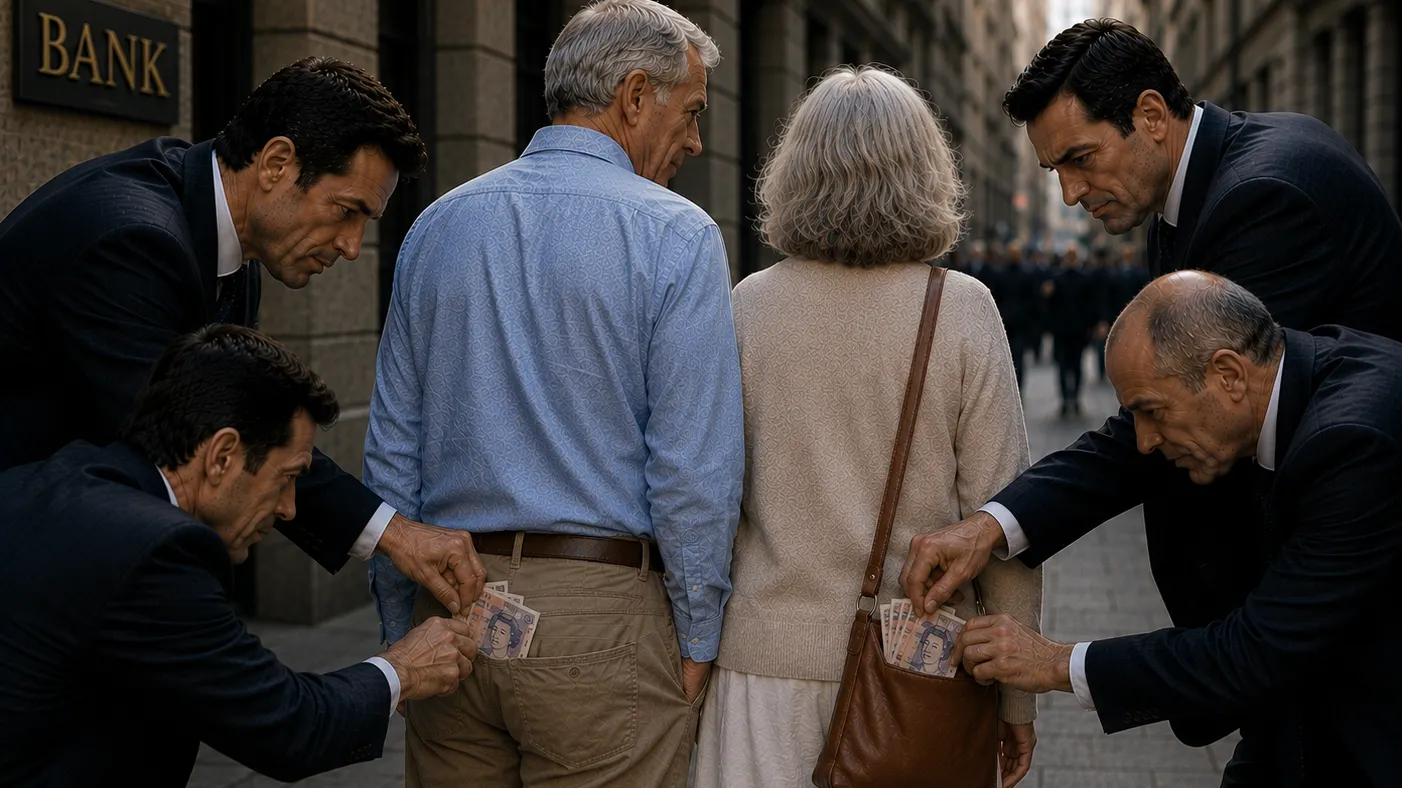
From the average $24,140 price, $10,385 is what the buyer effectively pays (without realising it) to be sold something they otherwise wouldn’t buy. If we then subtract Greg Wilson’s $5,800 figure above, that leaves $7,955 (£6,279) as profit for the resort. In other words, expensive marketing and high-pressure selling can still support a further 33% profit for resort owners.
So, with timeshare costs explained, the reasons for the staggering £18,340 gap between what timeshare should cost and what it does cost are:
- Huge marketing costs (needed to entice prospects to attend presentations)
- Inflated sales commissions (because it is so difficult to sell)
- Large profits for resort developers
Feel cheated?
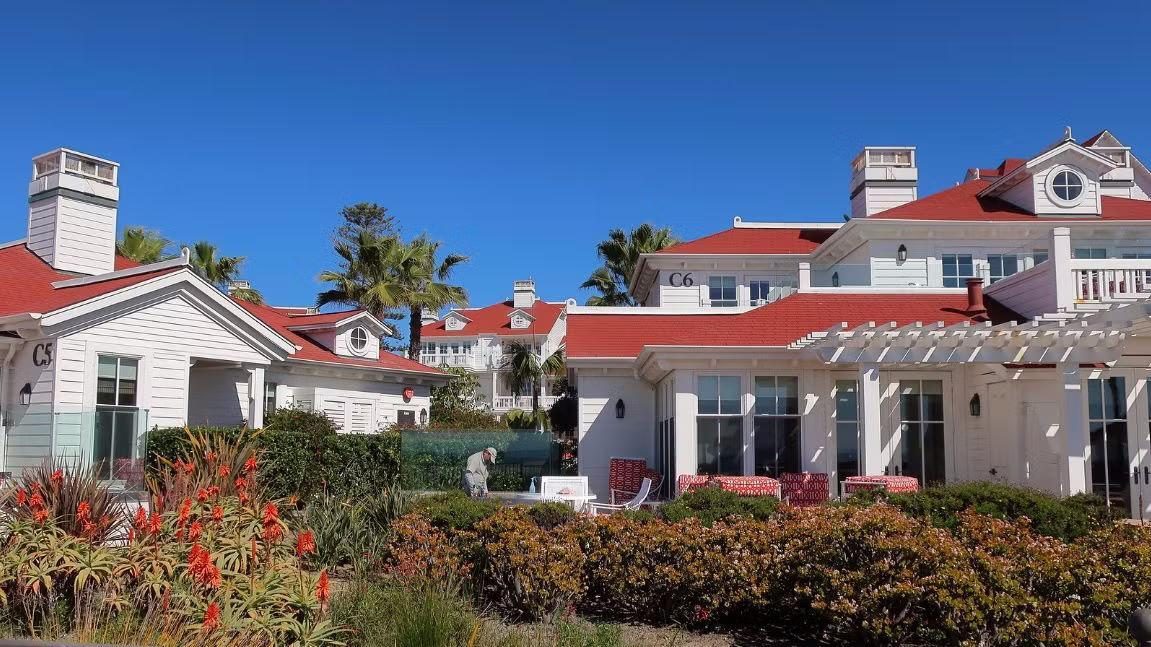
Very few timeshare resorts remain exclusive in 2024. You can stay at practically any resort via sites such as Booking.com without being a timeshare member. And the promise of higher quality often fades once you see that equally high-standard hotels and apartments are available across the major booking platforms — including the very same timeshare resorts.
If you think you were mis-sold and want to explore your options, get in touch with our team at Timeshare Advice Centre.