What’s really been happening behind the scenes at Canary Islands timeshare giant Anfi Del Mar as it faces a fresh criminal investigation?
“River of money”
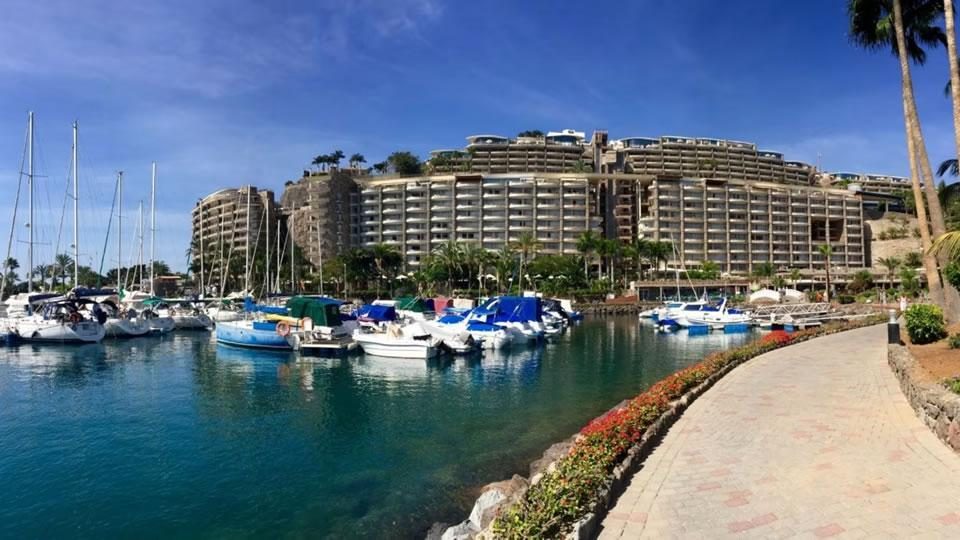
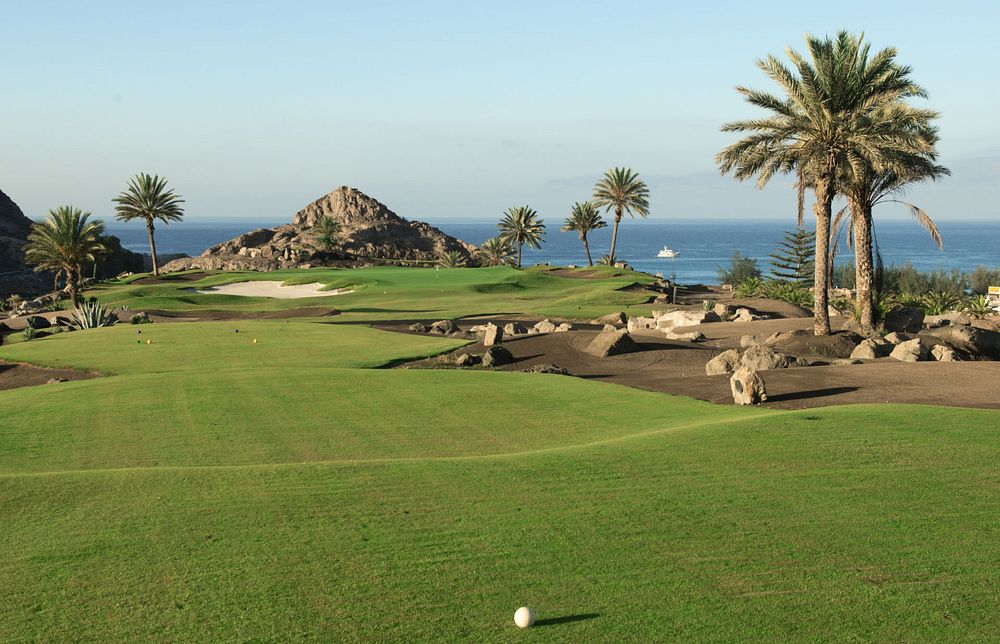
The ANFI developments began at Barranco de la Verga in Arguineguín, Gran Canaria, in 1992 and grew into what was widely regarded as the most successful single-site timeshare sales operation in history. At its peak, the sales team was around 200 people strong, supported by hundreds of commission-only touts on the island, focused on persuading tourists to attend presentations at the resorts.
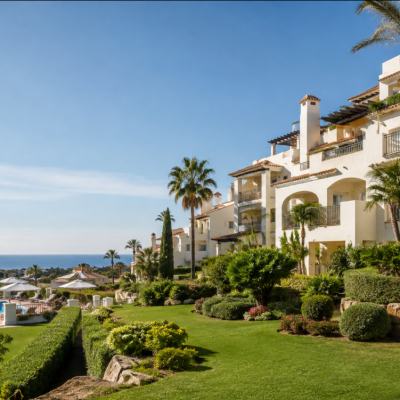
Across four complexes—Anfi Beach Club (ABC), Club Puerto Anfi (CPA), Club Monte Anfi (CMA) and Gran Anfi (GA)—and a later development a few miles away, Anfi Tauro, the group reportedly generated more than £100 million per year in revenue across the five resorts.
ANFI maintained this level of success for more than 20 years, signing up an estimated 36,000 members.
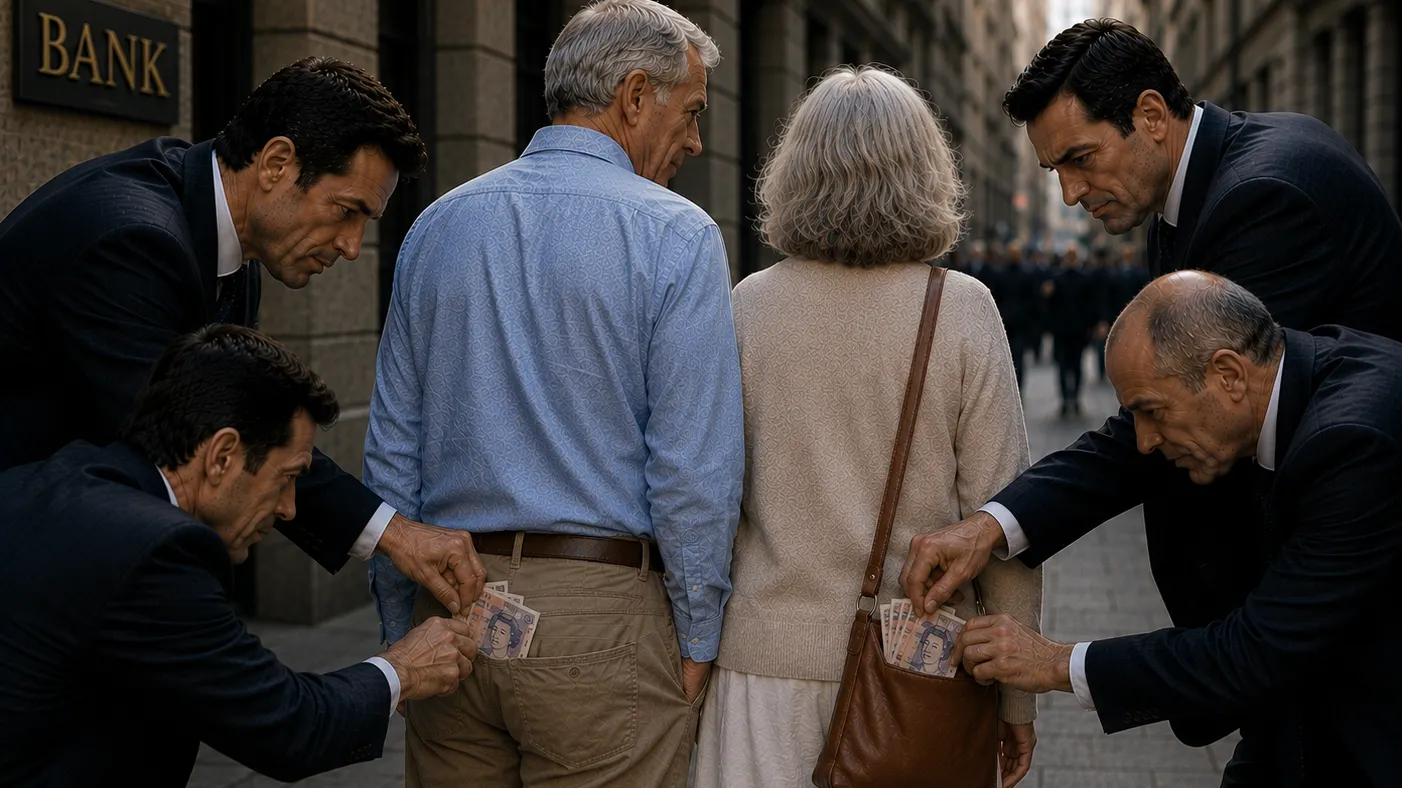
Illegal sales practices (on an industrial scale)
In 1999, Spanish timeshare law changed to better protect consumers from high pressure timeshare sales. Among other changes, it became illegal to take any form of payment from a prospective buyer during the cooling-off period.
Timeshare is often an emotional sale—one that many people would not agree to if given time and space to properly reflect. Anfi, like many other operators, is presented here as having taken the risk of pressing on regardless rather than slowing what had become a highly lucrative operation.
In 2016, Spanish court claims brought by increasing numbers of mis-sold clients began to succeed at scale, including a case in which Norwegian consumer Tove Grimsbo was awarded €40,000 in compensation.
Since then, Anfi have had a conservative estimate of £76 million awarded against them by Spanish courts—and the figure continues to rise.
Criminal allegations and the Anfi criminal investigation
ANFI have faced criminal charges before. In 2021 they were accused of “asset diversion” in a bid to avoid paying creditors. The case is believed to be ongoing.
In January 2024, the Canarian Weekly newspaper reported fresh criminal investigations relating to Anfi del Mar. One major shareholder, Manuel Santana Cazorla, has been accused of selling 50% of his stake in the family conglomerate Grupo Santana Cazorla (GSC) to IFA Touristik, a subsidiary of Lopesan. The reported effect of the deal would be that Lopesan now owns a 75% stake in Anfi—potentially creating separation between Manuel Santana Cazorla and the tens of millions of pounds in liabilities the troubled timeshare operation is said to be carrying.
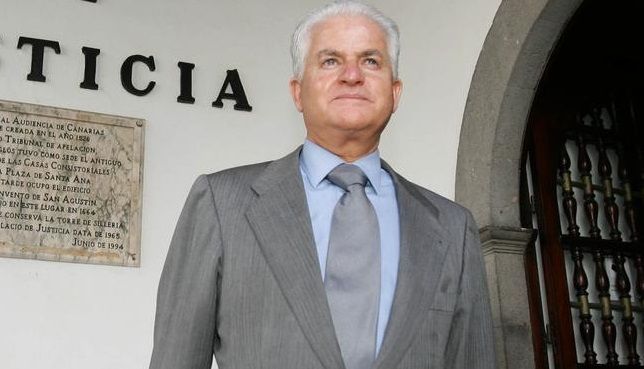
The Manuel Santana Cazorla lawsuit—brought by several other members of GSC—alleges the transaction was carried out without consulting other GSC partners and would result in “clear harm” to their interests.
Judge Alberto Puebla is considering indications that a lack of transparency may have constituted a crime, “potentially leading to legal consequences for those involved.”
What does this mean for Anfi creditors?
“Whatever the result of these legal proceedings, we don’t expect it to affect the outcome for creditors, such as former members who are owed compensation,” explains Suzanne Stojanovic, spokesperson for Timeshare Advice Centre.
“Even if the ownership of Anfi did change, the new owners would own the debts as well. And their vast developments of top class, luxury real estate are clear and visible assets.”
If you own a timeshare and feel you were mis-sold, or you no longer feel the product offers value for money, get in touch with our team for free, confidential advice on your options.